Source liquid leather dye for shoes, bags, and upholstery
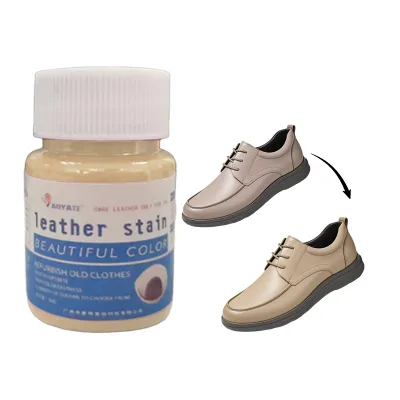
Find 30 liquid leather dye for shoes options from verified suppliers in Guangdong. Compare specifications like color options, application methods, and packaging sizes to select the best product for your needs.
Key considerations
Products List
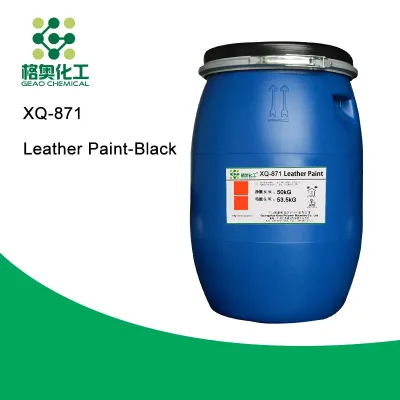
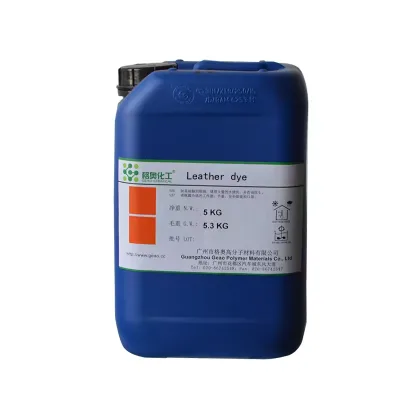
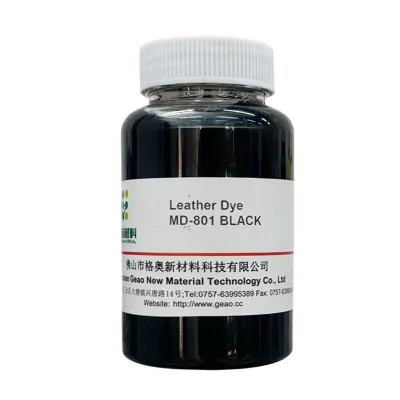
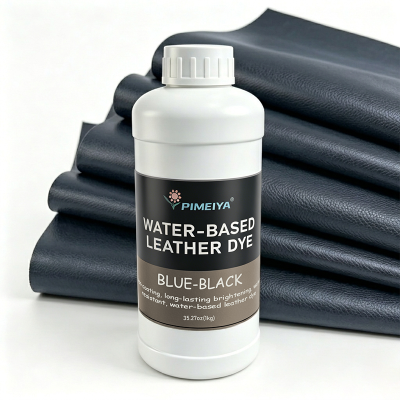


Comprehensive Sourcing Guide
Strategic Sourcing Guide for Liquid Leather Dye for Shoes
Procuring liquid leather dye for shoes requires a nuanced understanding of chemical formulations, application methodologies, and supply chain reliability. The market for leather auxiliaries is vast, with products ranging from simple colorants to complex coating systems designed for specific leather types. For buyers in the footwear industry, selecting the right liquid dye is not merely a matter of color matching but involves ensuring compatibility with the substrate, adherence to safety standards, and consistency in production output. This guide outlines the critical factors for sourcing these materials effectively, drawing on observed market data and technical specifications to inform decision-making.
Understanding Product Classifications and Formulations
The first step in sourcing is distinguishing between the various classifications of liquid leather dyes available. The market presents distinct categories based on the chemical base and intended function. One prominent category is the Leather Auxiliary Agent, often used for broader processing needs beyond simple coloring. However, for direct shoe coloring, buyers typically look for specific Leather Dye types.
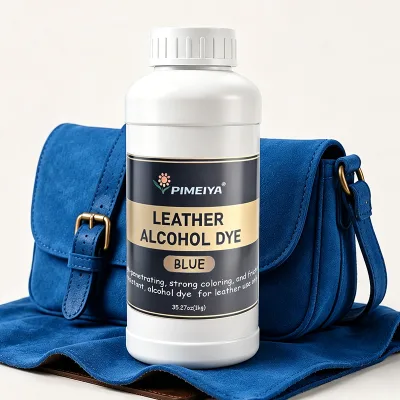
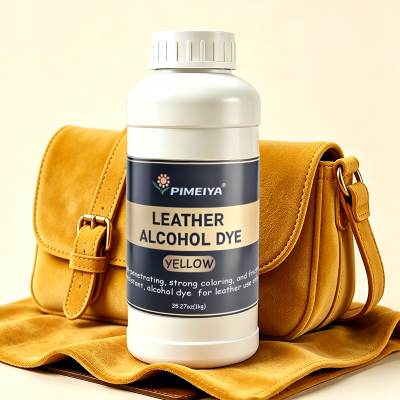
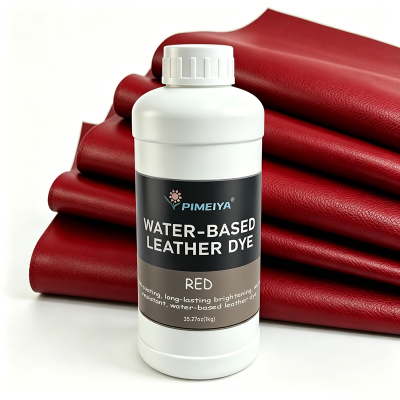
Technical observations indicate a split between water-based and alcohol-based formulations. Water-based options are frequently described as having a neutral formula, being Eco-Friendly, and Alcohol Free. These are often preferred for applications requiring deep penetration into fibers without damaging the leather structure. In contrast, alcohol-based dyes are noted for their fast drying capabilities, with some products ready for the next coat in 5-10 minutes. This rapid drying speed is a critical operational factor for high-volume shoe manufacturing lines where cycle time impacts throughput.
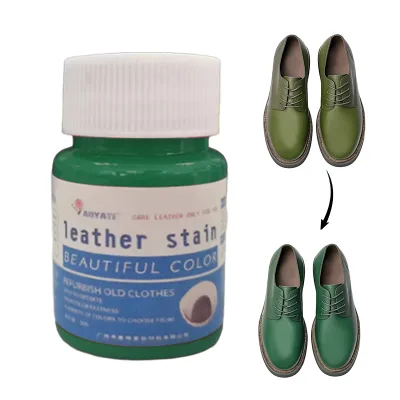
The form of the product is consistently Liquid, but the application method varies significantly. Some products are designed for Spray application, ideal for large surface areas or uniform coating on shoe uppers. Others support Brush, sponge, airbrush, or dip dyeing, offering flexibility for smaller batches or detailed repair work. The choice between these application methods should align with the buyer's existing equipment and labor capabilities.
Technical Specifications and Performance Metrics
When evaluating potential suppliers, specific technical attributes must be verified against production requirements. The Purity of the dye is a primary concern, with high-quality products often boasting "Great" purity levels to ensure consistent color saturation and minimize batch-to-batch variation. The State of the product is universally Liquid, but the viscosity and density can vary based on the specific model number and intended use.
Color options are a critical specification. While some suppliers offer a limited palette of Black, Blue, Red, Yellow, Brown, and Blue-Black, others provide 6+ colors or 10+ colors that are mixable for custom shades. This flexibility is essential for footwear brands that require precise color matching to their seasonal collections. The ability to customize color is often a standard offering, allowing buyers to achieve unique hues without relying on pre-mixed inventory.
Performance metrics such as Penetration are vital for leather quality. High-performance dyes claim deep penetration, ensuring that colors reach the surface and fibers, which prevents peeling or fading over time. This is particularly important for Vegetable tanned, suede, and nubuck leathers, which are common in premium footwear. The Shelf life of the product is another measurable attribute, with standard durations observed at 2 Years. Buyers must ensure that their procurement volume aligns with this shelf life to prevent material degradation and waste.
Compliance, Safety, and Certification Verification
Navigating the regulatory landscape is essential for international trade, particularly when sourcing from major manufacturing hubs like Guangdong, China. While specific certification data in the market observations is limited, buyers should be aware of the existence of standards such as REACH and OEKO-TEX. These standards are often cited in the background of chemical product listings, indicating a potential pathway for compliance with European and global safety regulations.
Buyers must verify the EINECS No. (European Inventory of Existing Commercial Chemical Substances) for any product they intend to import. The presence of an Available EINECS number suggests that the chemical substance is registered and recognized within the European Union, a crucial step for legal importation. However, the absence of a specific certification claim in a product listing should not be interpreted as a failure to comply; rather, it necessitates a direct request for documentation from the supplier.
The Feature of the product, such as being Eco-Friendly or having a neutral formula, should be backed by verifiable test results. Buyers should request safety data sheets (SDS) and confirm that the product meets the specific chemical restrictions of the destination market. Relying on marketing terms like "Eco-Friendly" without supporting documentation can lead to compliance risks.
Cost Drivers and Procurement Economics
The cost of liquid leather dye is influenced by several factors, including the Model Number, Brand Name, and Packaging specifications. Market data shows a wide price range, observed between 0.27 and 40 USD, reflecting the diversity in product quality, concentration, and volume. This variance suggests that buyers should not focus solely on the lowest unit price but rather on the cost-per-application and the total value delivered.
MOQ (Minimum Order Quantity) is a significant cost driver. Observed MOQs range from 1 to 2000 units, with specific products showing MOQs of 2 or 10. For small businesses or those testing new colors, a low MOQ is advantageous. However, larger manufacturers may benefit from economies of scale by ordering in bulk, potentially reducing the per-unit cost. The Package options, ranging from 5kg to 200kg drums, also impact logistics and storage costs. Smaller packages like 20X20X30 cm units are suitable for sample testing, while larger drums are necessary for mass production.
The Single gross weight and Single package size are critical for calculating shipping costs. For instance, a product with a gross weight of 1.000 kg and dimensions of 20X20X30 cm will have different freight implications compared to a 5KG unit with dimensions of 100X100X150 cm. Buyers must factor in these logistical details when comparing supplier quotes to ensure the total landed cost is accurate.
Supplier Evaluation and Quality Assurance
Selecting a reliable supplier involves more than just checking product listings. Buyers should evaluate the supplier's ability to provide OEM/ODM services, as many brands require customized formulations or private labeling. The availability of Customized services is a strong indicator of a supplier's flexibility and technical capability.
Quality control should be a priority throughout the sourcing process. Buyers should verify the Sample availability, as most suppliers offer samples for testing. This allows for practical evaluation of the dye's Drying Speed, Color Consistency, and Application Method compatibility. The Application scope, covering Leather Auxiliary Agents, leather color dyes, and Paint Dyestuffs, should be matched to the specific needs of the footwear production line.
It is also important to assess the supplier's track record regarding Brand Name consistency. While brands like GEAO and WOODSON appear in the market, buyers should not assume that all products under a specific brand name share identical quality standards. Each product should be evaluated on its own merits, focusing on the specific Model Number and Product name details.
Long-Term Procurement and Supply Chain Stability
Sourcing liquid leather dye is a long-term commitment that requires stability in supply and consistency in quality. The Place of Origin being Guangdong, China indicates a mature manufacturing hub, but buyers should still verify the specific factory location and production capacity. The Lead time and Production capacity are not explicitly stated in the provided data, making it essential for buyers to negotiate these terms clearly before placing orders.
To mitigate risks, buyers should establish a relationship with suppliers who offer OEM/ODM capabilities and have a robust quality assurance process. This ensures that any changes in production requirements can be accommodated without compromising the final product. Additionally, maintaining a buffer stock of critical dyes, considering the 2 Years shelf life, can prevent production delays.
The Usage of the dye, whether for Leather coating, Paint Dyestuffs, or Ink Dyestuffs, should be clearly defined in the procurement contract. This clarity ensures that the supplier understands the intended application and can provide the necessary technical support. For footwear applications, the ability to dye Vegetable tanned, suede, nubuck, and raw leather is a key requirement that must be explicitly confirmed.
Comparative Analysis of Product Attributes
To facilitate decision-making, the following table summarizes key attributes observed in the market for liquid leather dyes. This comparison highlights the diversity in specifications and helps buyers identify products that align with their specific needs.
| Attribute | Product A (Alcohol Based) | Product B (Water Based) | Product C (General Auxiliary) |
|---|---|---|---|
| Product Name | Leather Alcohol Dye | Water Based Leather Dye | Leather dye liquid |
| Brand | (Generic) | WOODSON | GEAO |
| Form | Liquid | Liquid | Liquid |
| Application Method | Spray, Brush, Airbrush | Brush, Sponge, Dip | Spray, Brush |
| Drying Speed | Fast (5-10 mins) | Variable | Variable |
| Key Feature | Fast drying, Deep penetration | Neutral, Eco-Friendly, Alcohol Free | Great Purity |
| Color Options | 10+ colors, Mixable | Optional, Mixable | Customize |
| MOQ | 10 | 2 | 1 |
| Package | 5/25/30/200kg/drum | 5KG, 10KG, 25KG, 50KG | 5/25/30/200kg/drum |
| Usage | Vegetable tanned, Suede | Leather surface, Coating | Leather Auxiliary Agents |
This table illustrates that while all products serve the core function of coloring leather, their specific attributes vary significantly. Buyers must weigh these differences against their production constraints, such as drying time requirements, environmental regulations, and minimum order quantities.
Conclusion
Sourcing liquid leather dye for shoes is a complex process that demands careful attention to technical specifications, compliance requirements, and supplier capabilities. By understanding the distinctions between water-based and alcohol-based formulations, verifying certifications like EINECS, and evaluating cost drivers such as MOQ and packaging, buyers can make informed decisions. The market offers a wide range of options, from customizable colors to fast-drying formulations, but success depends on rigorous supplier evaluation and quality control. As the footwear industry continues to evolve, maintaining a strategic approach to procurement will ensure consistent product quality and operational efficiency.
FAQs
What are the main application methods for liquid leather dye?
Liquid leather dye can be applied using spray, brush, sponge, airbrush, or dip dyeing methods. The choice depends on the specific product model and whether the application targets large surface areas or detailed repair work on vegetable tanned or suede leather.
How fast does the alcohol-based leather dye dry?
Alcohol-based leather dye dries quickly, typically allowing the next coat to be applied within 5 to 10 minutes. This fast drying speed is beneficial for high-volume shoe manufacturing lines where cycle time impacts overall production throughput.
Can I customize the color of the liquid leather dye?
Yes, many suppliers offer customizable color options with 6 to 10+ colors available that are mixable for custom shades. Buyers can request specific hues to match their seasonal collections, ensuring precise color matching for their footwear products.
What is the shelf life of the water-based leather dye?
The standard shelf life for the water-based leather dye is 2 years. Buyers should ensure their procurement volume aligns with this duration to prevent material degradation and waste while maintaining consistent color saturation over time.
Which leather types are suitable for this liquid dye application?
This liquid dye is suitable for vegetable tanned leather, suede, nubuck, and raw leather. It offers deep penetration to color both the surface and fibers, preventing peeling or fading on these specific premium footwear substrates.
What is the minimum order quantity for the liquid leather dye?
The minimum order quantity varies by product, with observed values ranging from 1 to 2000 units. Specific models may require an MOQ of 2 or 10, allowing flexibility for small businesses testing new colors or larger manufacturers ordering in bulk.